
Who is the observer? This is not deep philosophy, but just ordinary, daily life. Who is the observ…
انتشار: 2026/07/29 16:05 UTCدریافت: 2026/08/12 18:01 UTCآخرین مشاهده: 2026/08/12 18:01 UTC
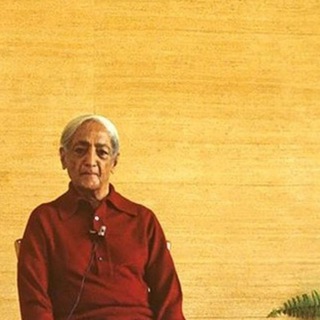
Who is the observer? This is not deep philosophy, but just ordinary, daily life. Who is the observer? Who is the ‘I’ that says, ‘I look’? The ‘I’ that is looking is the accumulated experiences, condemnations, observations, knowledge and so on. It is the centre, the observer. He separates himself from the thing observed, saying, ‘I am observing my fear, my guilt, my despair.’ But the observer is the observed. If he is not, he recognises his despair. I know what despair is, what loneliness is, and that memory remains. The next time it arises, I say that I see something different from me. This division between the observer and the observed creates a conflict, and then I go off on a tangent, trying to find a way to resolve it. But the fact is that the observer is the observed. This is not an intellectual concept, but a fact.Jiddu KrishnamurtiFrom Collected Works, Vol. 17ناظر کیست؟ این پرسشِ عمیقِ فلسفی نیست؛ بلکه به زندگیِ معمولی و روزمرهٔ ما مربوط است. ناظر کیست؟ این «من»ی که میگوید: «من نگاه میکنم» چیست؟ این «من»ی که نگاه میکند، همان انباشتِ تجربهها، داوریها، مشاهدهها، دانش و مانندِ آنهاست. او همان مرکز، همان ناظر است.او خود را از آنچه مشاهده میشود جدا میکند و میگوید: «من دارم ترسِ خودم، احساسِ گناهِ خودم، نومیدیِ خودم را مشاهده میکنم.»اما ناظر، همان چیزی است که مشاهده میشود. اگر چنین نبود، چگونه نومیدیِ خود را بازمیشناخت؟ من میدانم نومیدی چیست، تنهایی چیست، و این خاطره در ذهن باقی میماند. بارِ بعد که نومیدی سر برمیآورد، میگویم: «من دارم چیزی را میبینم که از من جداست.»این جدایی میانِ ناظر و آنچه مشاهده میشود، تضاد میآفریند؛ و آنگاه ذهن به بیراهه میرود و میکوشد راهی برای حلِ این تضاد پیدا کند.اما واقعیت این است که ناظر، همان مشاهدهشونده است. این یک مفهومِ انتزاعی یا صرفاً فکری نیست، بلکه یک واقعیتِ عینی است.جیدو کریشنامورتیاز: مجموعه آثار، جلد هفدهم@Krishnamurti

تاریخچه بازدید مشاهدهشده
حدود 2 بازدید تازه در ساعت در این نمونهپستهای تلگرام — Jiddu Krishnamurti
It is one of the most difficult things to be free, to forget everything that one has known, inwardly of yesterday, to die to every experience one has had, pleasurable or painful. But only then is the mind free to live, to act totally. To do this requires an awareness without choice, a passive awareness in which all the secret longings, urges, compulsions, wishes and desires are revealed, where the mind does not choose but merely observes. The moment you choose, you have subtly established authority, and therefore the mind is no longer free. To be aware inwardly of every movement of thought, the implications of every word, the significance of every desire and wish, and not to deny or accept, but pursue, watch choicelessly, this frees the mind from authority. It is only when the mind is free that it can discover what is true and what is false, and not before; and this freedom is not at the end but at the beginning.Jiddu KrishnamurtiFrom Collected Works, Vol. 12آزاد بودن، و از آن دشوارتر، در درون از هرآنچه تا دیروز شناختهای رها شدن، و نسبت به هر تجربهای ــ خواه لذتبخش و خواه دردناک ــ مُردن، از دشوارترین کارهاست. تنها در چنین حالتی است که ذهن آزاد میشود تا زندگی کند و بهگونهای کامل و یکپارچه عمل نماید.تحققِ این امر، مستلزمِ آگاهیِ بدونِ انتخاب است؛ آگاهیِ آرام و پذیرندهای که در آن، همهٔ اشتیاقهای نهفته، کششها، اجبارهای درونی، آرزوها و امیال، خود را آشکار میکنند؛ آگاهیای که در آن، ذهن نه انتخاب میکند و نه داوری، بلکه فقط مشاهده میکند.همین که دست به انتخاب میزنید، بهگونهای ظریف و پنهان، مرجعی از اقتدار را پذیرفتهاید؛ و از همان لحظه، ذهن دیگر آزاد نیست.آگاه بودن از هر حرکتِ اندیشه، از دلالتهای هر واژه، از معنای هر میل و هر آرزو، بیآنکه آنها را انکار کنید یا بپذیرید، بلکه فقط با پیگیری و مشاهدهٔ بیطرفانه و بیگزینش، ذهن را از سلطهٔ اقتدار رها میسازد.تنها هنگامی که ذهن آزاد باشد، میتواند دریابد چه چیز حقیقت است و چه چیز ناحق یا نادرست؛ و پیش از آن، چنین امکانی وجود ندارد. و این آزادی، چیزی نیست که در پایانِ راه به آن برسیم؛ بلکه نقطهٔ آغازِ راه است.جیدو کریشنامورتی+ دربارهٔ «آگاهیِ بدونِ انتخاب» این ویدیو را تماشا کنید.@Krishnamurti

Awareness implies observing the world as it is, to know the world, the trees, nature, the beauty and the ugliness, to be aware of your neighbour, what they are wearing, and also to be aware of what you are, inwardly. If you are so aware, you will see that there are a great many reactions – like and dislike, punishment and reward – in that awareness. Can you be aware without any choice, a choiceless awareness, just to be aware without choosing, without prejudice? To become totally aware of your consciousness means: can consciousness become aware of itself? Which means also can thought, your thinking, become aware of itself?Jiddu Krishnamurti From Meeting Lifeآگاهی یعنی مشاهده کردنِ جهان همانگونه که هست؛ شناختنِ جهان، درختان، طبیعت، زیبایی و زشتی؛ آگاه بودن از همسایهتان، از آنچه بر تن دارد، و نیز آگاه بودن از آنچه در درونِ خودتان هست.اگر چنین آگاهیای داشته باشید، خواهید دید که در آن آگاهی، واکنشهایِ فراوانی وجود دارد؛ مانندِ دوست داشتن و دوست نداشتن، پاداش و تنبیه.آیا میتوانید بدونِ هیچ انتخابی آگاه باشید؟ آگاهیِ بیگزینش؛ یعنی فقط آگاه بودن، بیآنکه انتخاب کنید، بیآنکه با پیشداوری بنگرید.آگاه شدنِ کامل از إشعارِ خود، یعنی این: آیا إشعار میتواند از خودش آگاه شود؟ و این همچنین بدان معناست که آیا اندیشه، یعنی فرایندِ اندیشیدنِ شما، میتواند از خودش آگاه شود؟جیدو کریشنامورتی از «دیدار با زندگی»@Krishnamurti

What is essential is to see that one is confused, that all activity, all action which springs from confusion, must also be confused. It is like a confused person seeking a leader– his leader must also be confused. So it is essential to see that one is confused and not try to escape from it, not try to find explanations for it, but be passively, choicelessly, aware. Then you will see quite a different action springs from that passive awareness. If you make an effort to clarify the state of confusion, what you create will still be confused. But if you are aware of yourself, choicelessly, passively aware, then that confusion unfolds and fades away. You will see, if you experiment with this – and it will not take a long period of time because time is not involved in it at all – that clarification comes into being. But you must give your whole attention, your whole interest, to it.Jiddu Krishnamurti From Collected Works, Vol. 5آنچه اساسی است، این است که انسان ببیند دچارِ سردرگمی است؛ و هر فعالیت، هر عملی که از این سردرگمی سرچشمه بگیرد، ناگزیر خود نیز سردرگم خواهد بود. درست مانندِ فردی سردرگم که در جستوجویِ یک رهبر است؛ رهبرِ او نیز ناگزیر سردرگم خواهد بود.پس ضروری است که انسان ببیند دچارِ سردرگمی است و نکوشد از آن بگریزد، نکوشد برایِ آن توضیح و توجیهی پیدا کند، بلکه فقط با آگاهیِ منفعل و بیگزینش نسبت به آن حضور داشته باشد. آنگاه خواهید دید که از دلِ آن آگاهیِ منفعل، کنشی کاملاً متفاوت پدید میآید.اگر برایِ روشن کردنِ وضعیتِ سردرگمی تلاش کنید، آنچه پدید میآورید همچنان سردرگم خواهد بود. اما اگر نسبت به خودتان، بیگزینش و بهگونهای منفعل، آگاه باشید، آن سردرگمی بهتدریج خود را آشکار میکند و سپس فرو مینشیند.اگر این را خودتان بیازمایید، خواهید دید ــ و این کار اصلاً به زمانِ طولانی نیاز ندارد، زیرا زمان هیچ نقشی در آن ندارد ــ که روشنی و وضوح خودبهخود پدید میآید. اما باید تمامِ توجه و تمامِ علاقهٔ خود را به این امر معطوف کنید.جیدو کریشنامورتی از مجموعه آثار، جلدِ پنجم@Krishnamurti

Any system, any method, that teaches you how to meditate is obviously false. One can see why, intellectually, logically, for if you practise something according to a method – however noble, however ancient, however modern, however popular – you are making yourself mechanical; you are doing something over and over again in order to achieve something. In meditation, the end is not different from the means. But the method promises you something; it is a means to an end. If the means is mechanical, then the end is also something brought about by the machine; the mechanical mind says, ‘I’ll get something.’ One has to be completely free from all methods, all systems; that is the beginning of meditation; you are already denying something which is utterly false and meaningless. And there are those who practice ‘awareness’. Can you practise awareness? If you are practising awareness, you are all the time being inattentive. Be aware of inattention; do not practice how to be attentive. If you are aware of your inattention, out of that awareness there is attention; you do not have to practise it.Jiddu Krishnamurti From "The Flight of the Eagle"هر نظام و هر روشی که به شما بیاموزد چگونه مراقبه کنید، آشکارا نادرست است. دلیلِ آن را میتوان از نظرِ عقلانی و منطقی دریافت؛ زیرا اگر چیزی را مطابقِ یک روش تمرین کنید ــ هرقدر هم آن روش والا، کهن، نو یا محبوب باشد ــ خودتان را به موجودی مکانیکی تبدیل میکنید؛ کاری را بارها و بارها تکرار میکنید تا به چیزی دست یابید.اما در مراقبه، مقصد از مسیر جدا نیست؛ پایان با وسیله تفاوتی ندارد. درحالیکه هر روش، چیزی را به شما وعده میدهد؛ یعنی وسیلهای است برای رسیدن به هدفی. اگر وسیله مکانیکی باشد، هدف نیز چیزی خواهد بود که ماشین پدید آورده است. ذهنِ مکانیکی میگوید: «من به چیزی دست خواهم یافت.»انسان باید کاملاً از همۀ روشها و همۀ نظامها آزاد باشد؛ این، آغازِ مراقبه است. در همان آغاز، شما چیزی را که کاملاً نادرست و بیمعناست، نفی کردهاید.و کسانی هم هستند که «آگاهی» را تمرین میکنند. مگر میتوان آگاهی را تمرین کرد؟ اگر مشغولِ تمرینِ آگاهی باشید، در تمامِ آن مدت، در حقیقت بیتوجه هستید. از بیتوجهیِ خود آگاه باشید؛ تمرین نکنید که چگونه توجه داشته باشید. اگر از بیتوجهیِ خود آگاه باشید، از دلِ همان آگاهی، توجه زاده میشود؛ دیگر نیازی نیست آن را تمرین کنید.جیدو کریشنامورتیاز کتابِ «پروازِ عقاب»@Krishnamurti
طبیعتچه مهربان هستیم بهطور طبیعی؛ بهویژه وقتی از شهرها دوریم، در میان دشتها و روستاهای کوچک.جیدو کریشنامورتی@Krishnamurti

What is meditation, and why should one meditate? Is it natural? Like breathing, like seeing, like hearing, is it natural? And why have we made it so unnatural, taking postures, following systems of Buddhist meditation, Tibetan meditation, Christian meditation, Tantric meditation, and the meditations set by your favourite guru? Aren't all those really abnormal? Why should I take a certain position to meditate? Why should I practice, practice, practice? To arrive where? Can I follow a system – twenty minutes in the morning, twenty minutes in the evening – to have a quiet mind? Having achieved a quiet little mind, I can go off and do other mischief all day long. Is there a way of meditating that is none of these things?Jiddu Krishnamurti From "Total Freedom"مراقبه چیست، و چرا انسان باید مراقبه کند؟ آیا مراقبه امری طبیعی است؟ همانگونه که نفس کشیدن، دیدن و شنیدن طبیعیاند، آیا مراقبه نیز طبیعی است؟ پس چرا آن را تا این اندازه غیرطبیعی کردهایم؛ با اتخاذِ حالتهای خاصِ بدن، با پیروی از نظامهای مراقبۀ بودایی، مراقبۀ تبتی، مراقبۀ مسیحی، مراقبۀ تانتریک، و مراقبههایی که استادِ محبوبتان تجویز کرده است؟آیا همۀ اینها در واقع اموری غیرطبیعی نیستند؟ چرا باید برای مراقبه در وضعیتِ خاصی بنشینم؟ چرا باید مدام تمرین کنم، تمرین کنم، تمرین کنم؟ برای رسیدن به کجا؟آیا میتوانم از یک نظام پیروی کنم ــ بیست دقیقه صبح، بیست دقیقه عصر ــ تا ذهنی آرام به دست آورم؟ و بعد، وقتی به چنین ذهنِ آرامِ کوچکی دست یافتم، باقیِ روز را بروم و هرگونه خرابکاریِ دیگری بکنم؟آیا شیوهای برای مراقبه وجود دارد که هیچیک از اینها نباشد؟جیدو کریشنامورتیاز کتابِ «آزادیِ کامل»@Krishnamurti
